
Industries

Industrial Focus Sectors

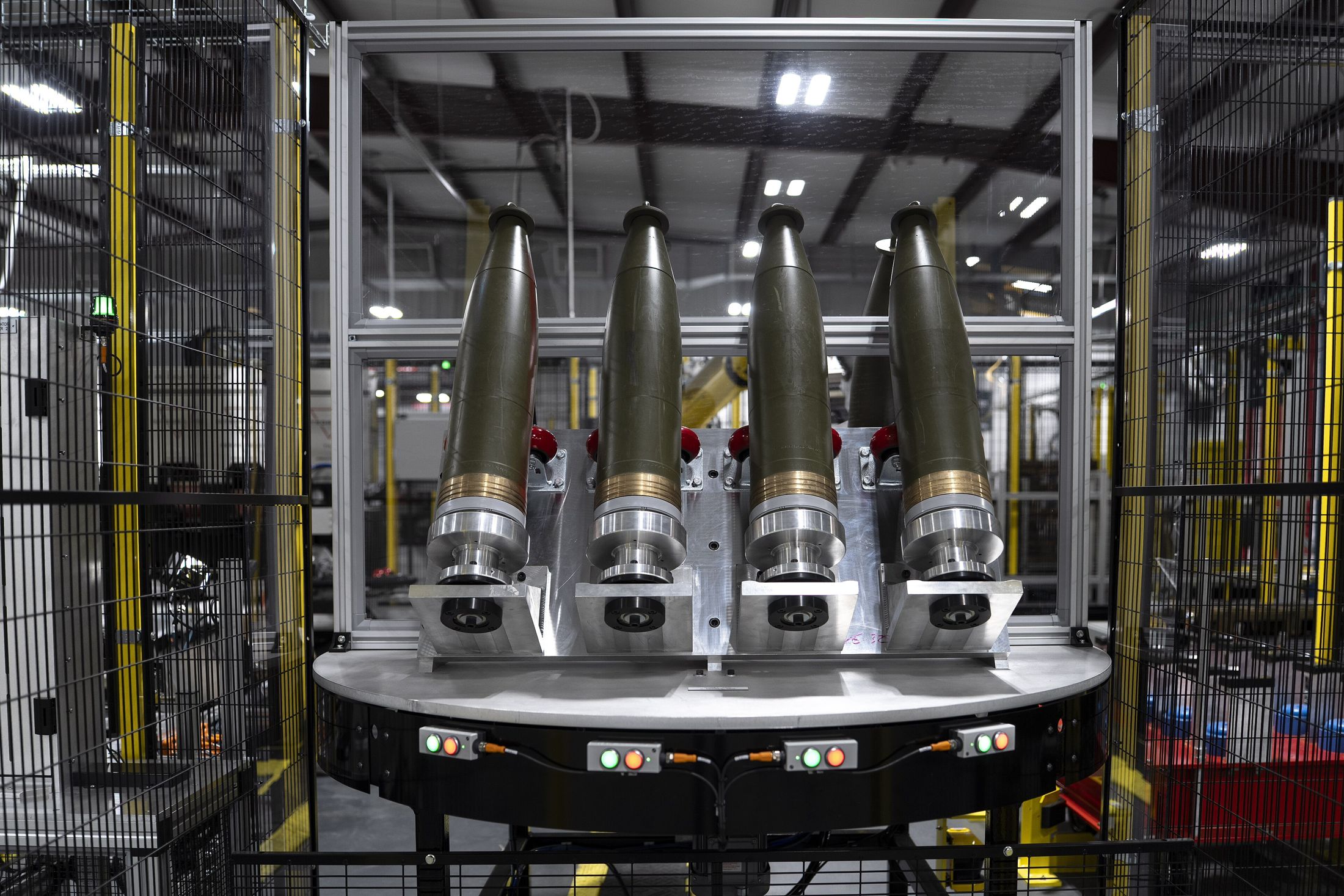
155mm projectile line, General Dynamics Ordnance and Tactical Systems, Camden, Arkansas, February 2026. Department of War photo.
Kinetic Capabilities

Munitions and their components, from artillery shells and rocket motors to the fuzes, energetics, casings, and precision-machined parts inside them. Many of these parts come from small shops several tiers below the prime contractor, and output depends on every one of them.

155mm projectile line, General Dynamics Ordnance and Tactical Systems, Camden, Arkansas, February 2026. Department of War photo.
Mountain Pass rare earth mine and processing facility, California. Photo by Tmy350, CC BY-SA 4.0, via Wikimedia Commons.

Strategic and Critical Minerals

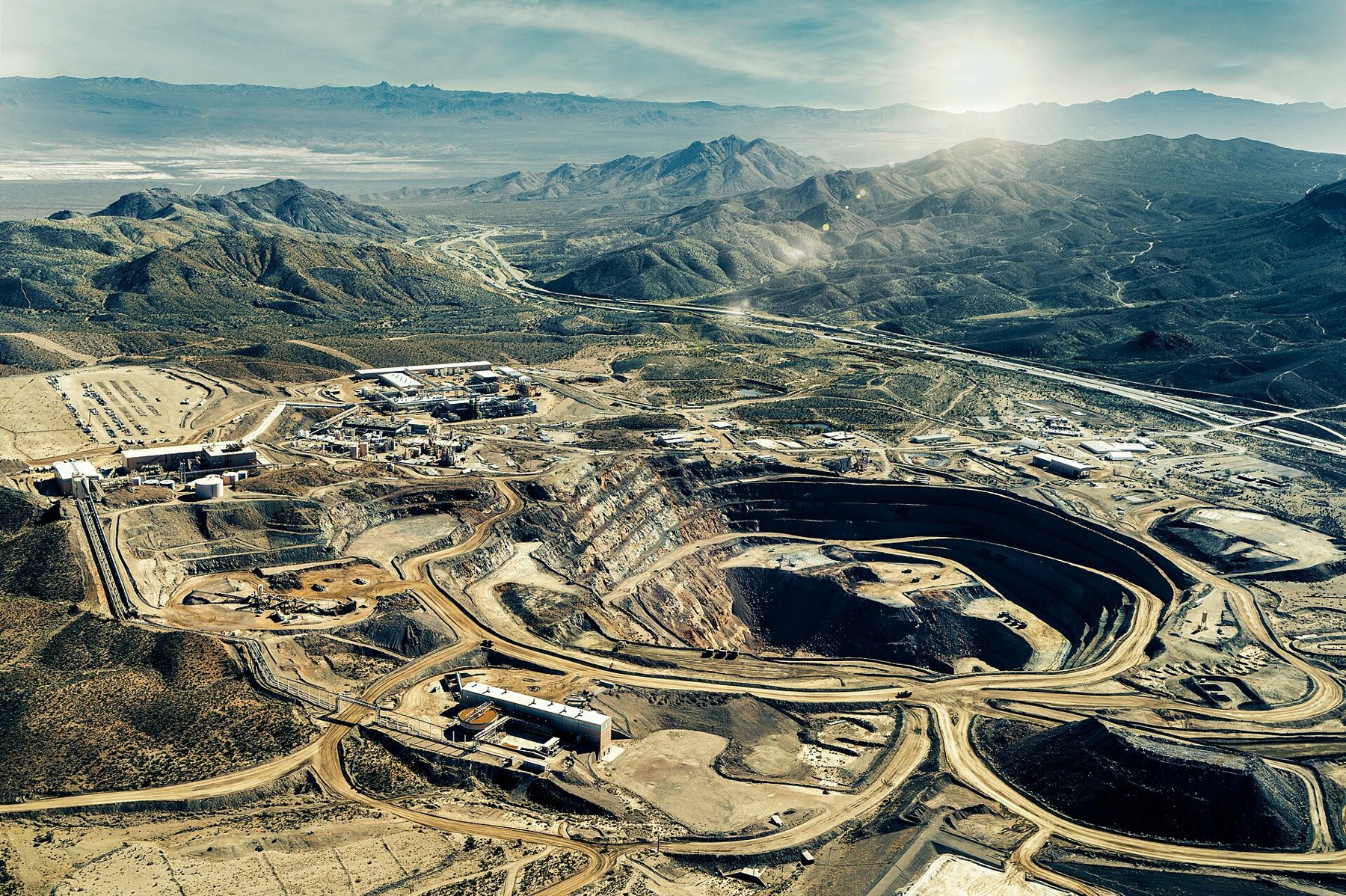
Minerals and chemicals that defense systems cannot do without, including rare earth elements, lithium, gallium, germanium, and tungsten. The work covers mining, separation, refining, and the chemical processing that turns ore into usable material.

Mountain Pass rare earth mine and processing facility, California. Photo by Tmy350, CC BY-SA 4.0, via Wikimedia Commons.

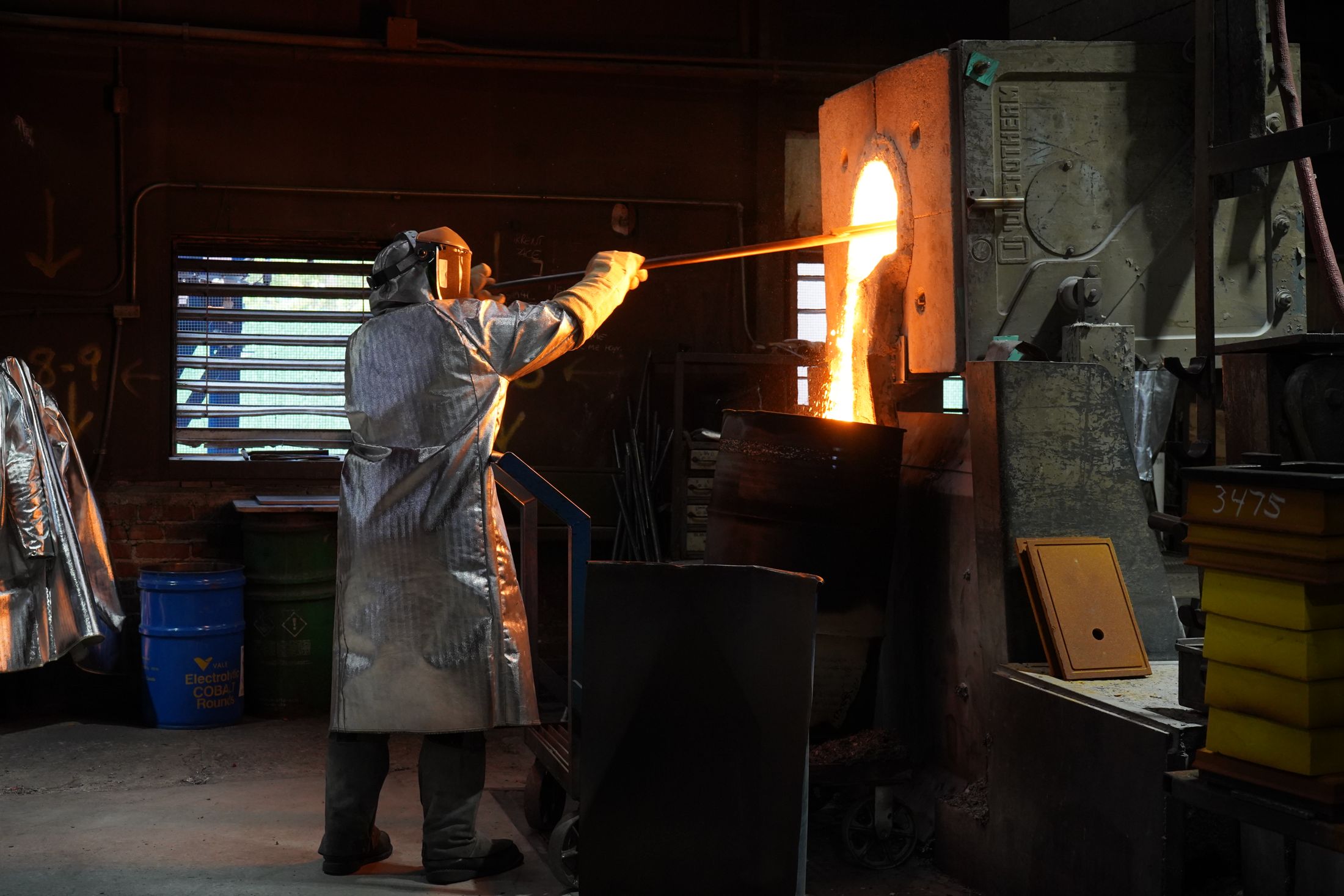
Foundry pour at a U.S. metals producer. SBA photo.

Manufacturing

Advanced manufacturing, castings, and forgings: the machining, metal forming, additive production, and heavy fabrication that turn materials into hulls, airframes, vehicles, and weapons. Castings and forgings carry some of the longest lead times in the defense supply chain.

Foundry pour at a U.S. metals producer. SBA photo.

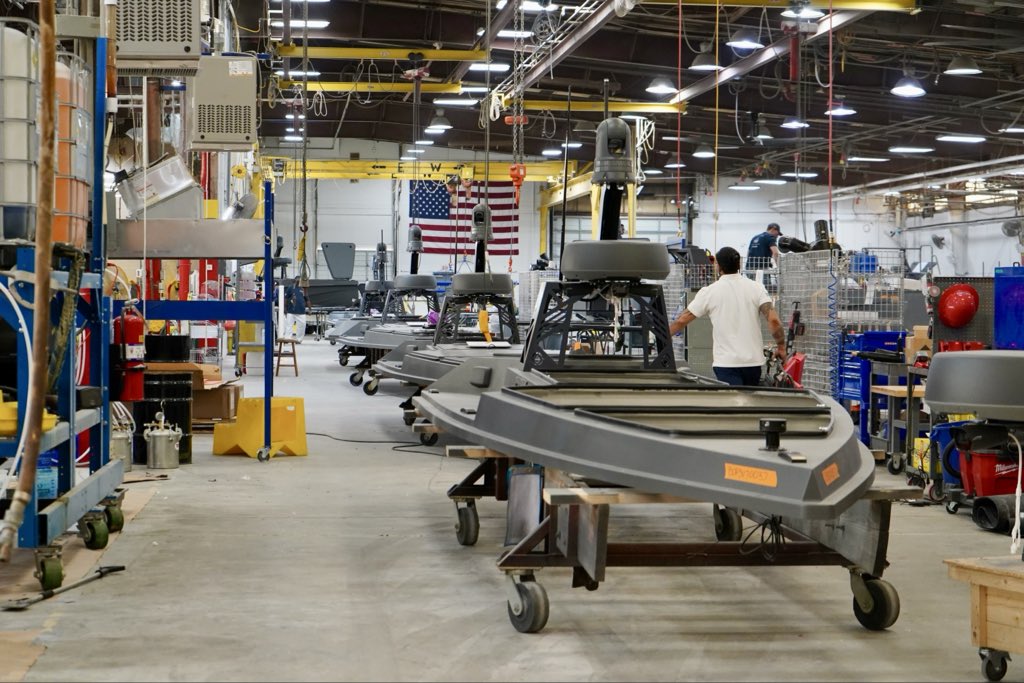
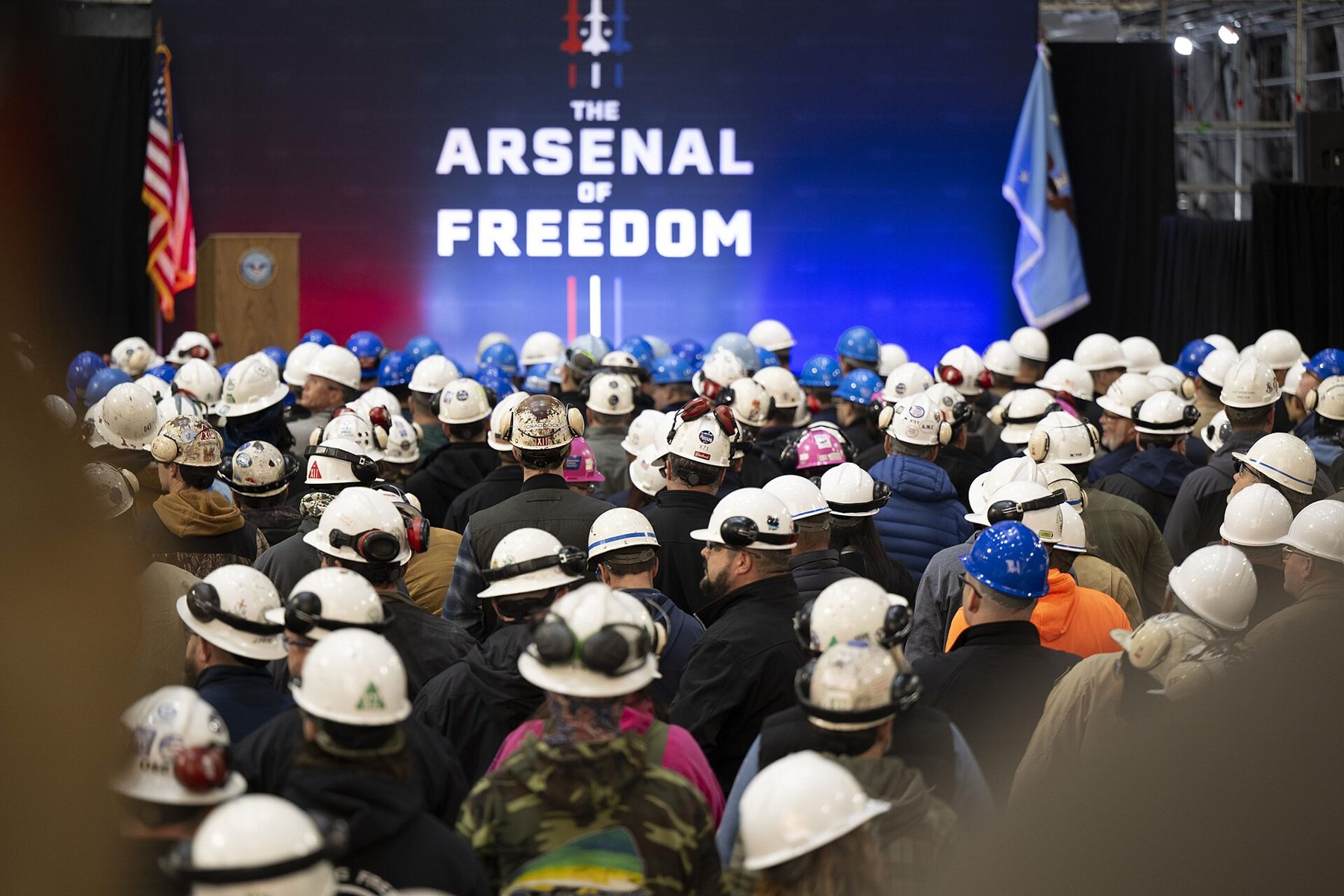
Shipbuilders at the Arsenal of Freedom Tour, Newport News, Virginia, January 5, 2026. Department of War photo.

Workforce

The people who run the lines. This covers workforce expansion and retention, K-12 pathways into the trades, state and local partnerships, and training for the welders, machinists, electricians, and technicians that defense production needs.

Shipbuilders at the Arsenal of Freedom Tour, Newport News, Virginia, January 5, 2026. Department of War photo.

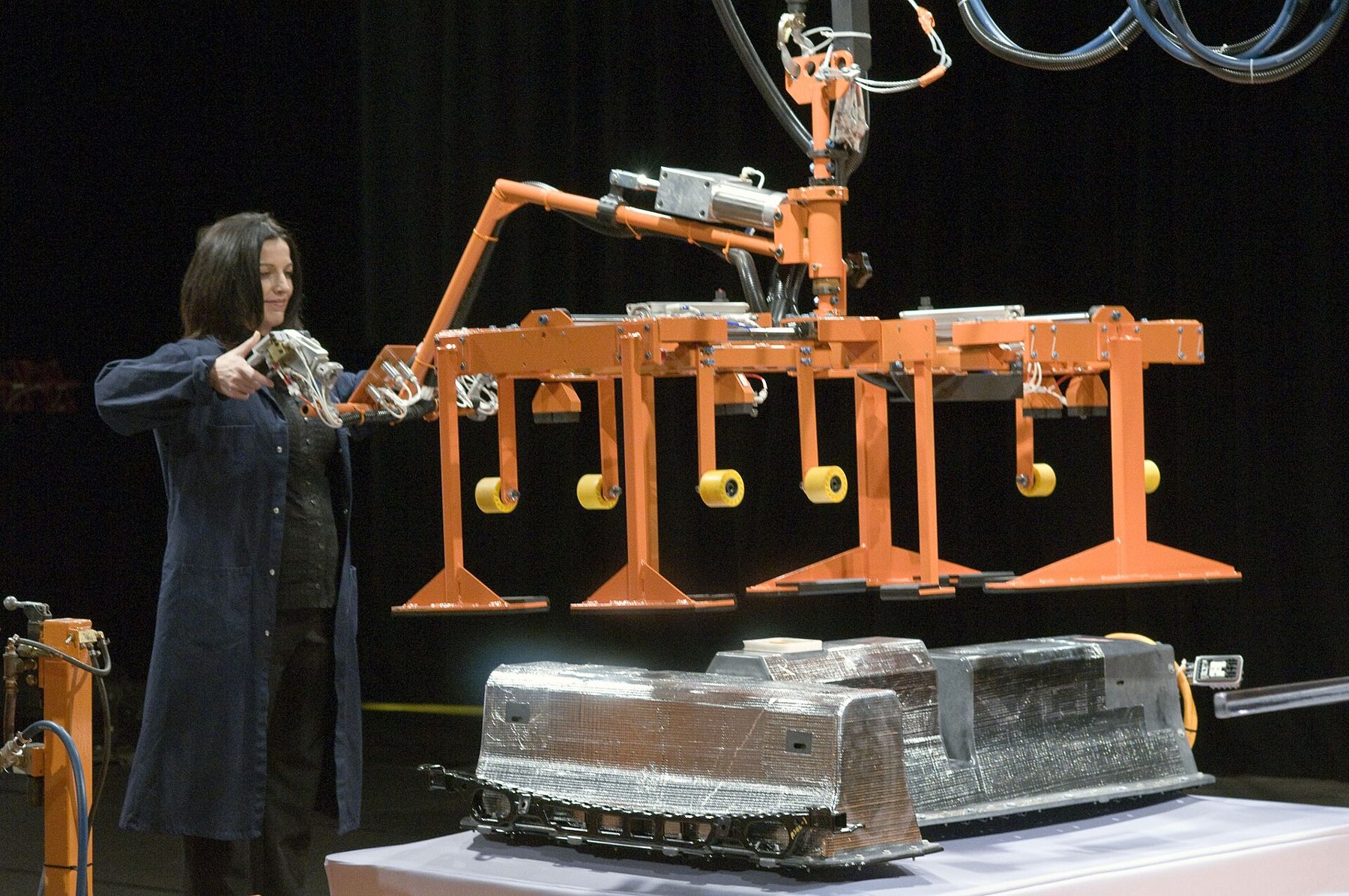
Lithium-ion battery pack off the line at a U.S. battery plant, Brownstown Township, Michigan. U.S. Department of Energy photo.

Batteries

Batteries for weapons and systems, from soldier-worn power and drones to vehicles, munitions, and undersea platforms. The work includes standardization efforts, so that fewer battery types serve more systems and domestic cell production can scale.

Lithium-ion battery pack off the line at a U.S. battery plant, Brownstown Township, Michigan. U.S. Department of Energy photo.

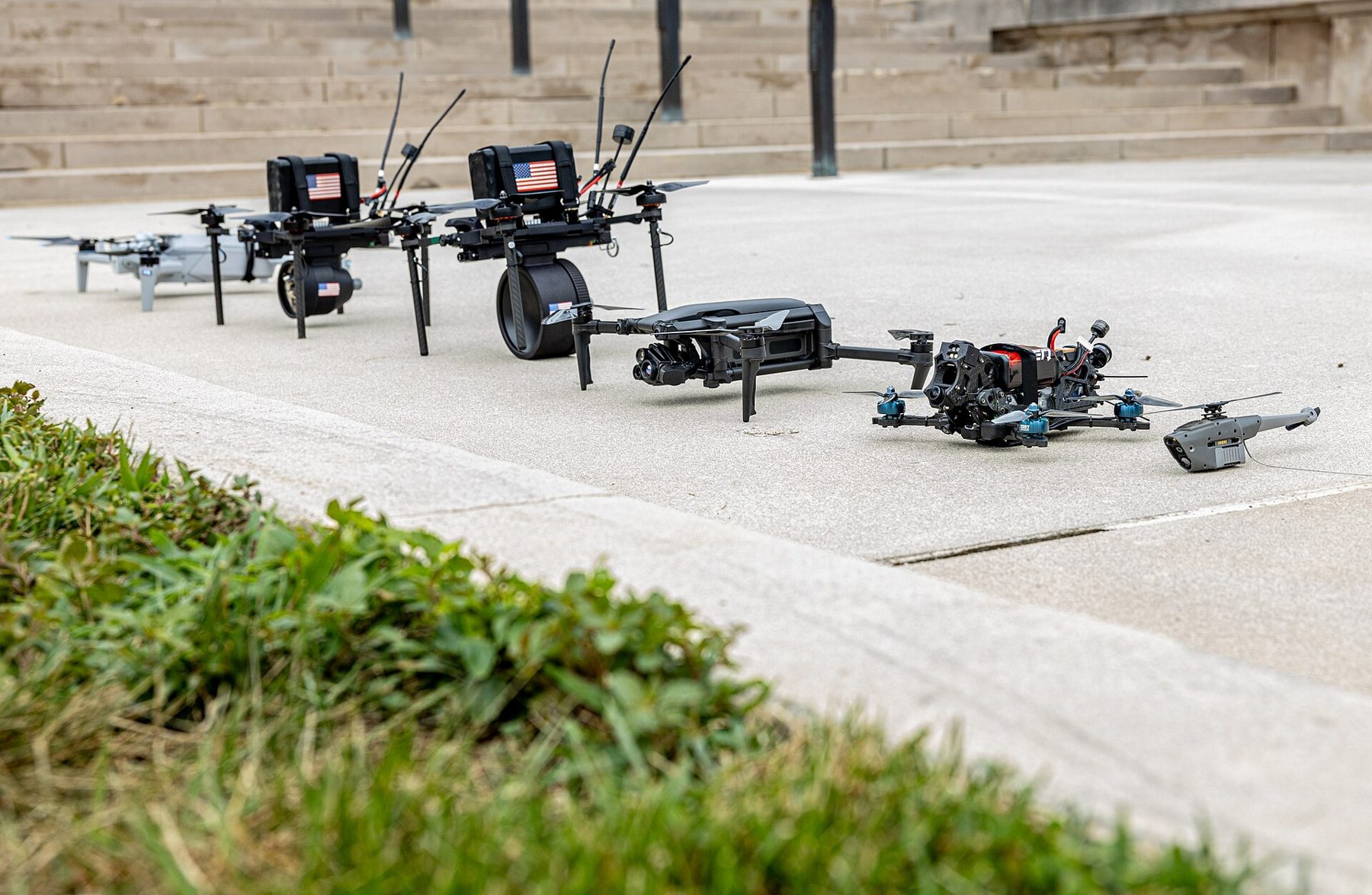
Small unmanned aircraft systems staged at the Pentagon, July 10, 2025. Department of War photo.

One-Way Attack and Drone System Components

Components for one-way attack and drone systems, including motors, airframes, flight controllers, cameras, radios, batteries, and warheads. Demand is rising fast, and much of the component supply still runs through foreign sources.

Small unmanned aircraft systems staged at the Pentagon, July 10, 2025. Department of War photo.

A U.S. Navy electronics technician solders a circuit card. U.S. Navy photo.

Electronics

Microelectronics, packaging, and printed circuit boards that sit inside nearly every defense system. Domestic capacity for board fabrication and advanced packaging has shrunk, and small firms carry much of what remains.

Virginia-class submarine construction. U.S. Navy photo.

Naval Shipbuilding and Ship Repair Components

Components and sub-systems for naval shipbuilding and ship repair, including valves, pumps, castings, piping, electrical systems, and outfitting gear. Thousands of suppliers feed each hull, and many of them are small businesses.

Semiconductor clean room. Public domain, via Wikimedia Commons.

Sensors

Sensors that let systems see, hear, and navigate, built on microelectronics and semiconductors. The category spans infrared and radar components, inertial and navigation devices, and the chips inside them.

Semiconductor clean room. Public domain, via Wikimedia Commons.

Stitching parachute harnesses at the Pioneer Parachute Company, Manchester, Connecticut, 1942. Library of Congress.

Textiles

Textiles, including clothing: uniforms, body armor fabric, parachutes, tents, and the fibers and coatings behind them. Federal law requires the military to buy American-made textiles, which keeps a domestic base of mills and sewing plants at work.

Stitching parachute harnesses at the Pioneer Parachute Company, Manchester, Connecticut, 1942. Library of Congress.