
Purpose

An arsenal built by
American small business.

History

Named for the World War II agency that brought small manufacturers into war production.

The Commission's namesake is inspired by the history of the SBA, an agency born out of predecessors including the Smaller War Plants Corporation and the Small Defense Plants Administration. Established in the aftermath of World War II, President Dwight D. Eisenhower created the SBA in recognition of the fact that America's strength depended not only on those who defend our nation on the frontlines, but also on the smaller factories, farms, and industrial firms that sustain and enable victory here at home.

Why Now?

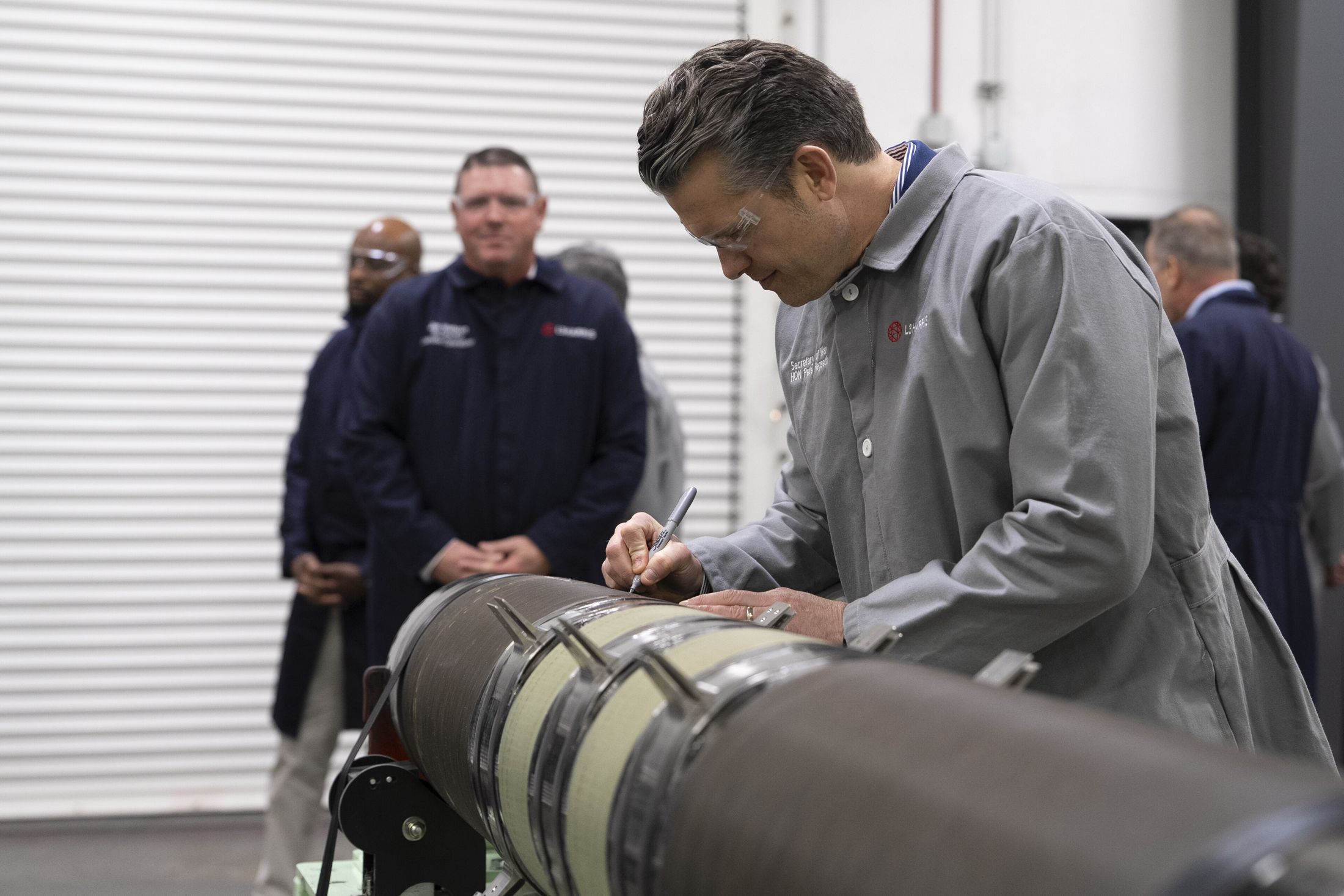
Small suppliers comprise more than 70% of America’s defense industrial base.

Unfortunately, decades of neglect and prioritization of short-term political gains over national security shifted our reliance toward foreign producers and fragile overseas supply chains, often those of our own adversaries, gutting industrial communities and domestic production power.

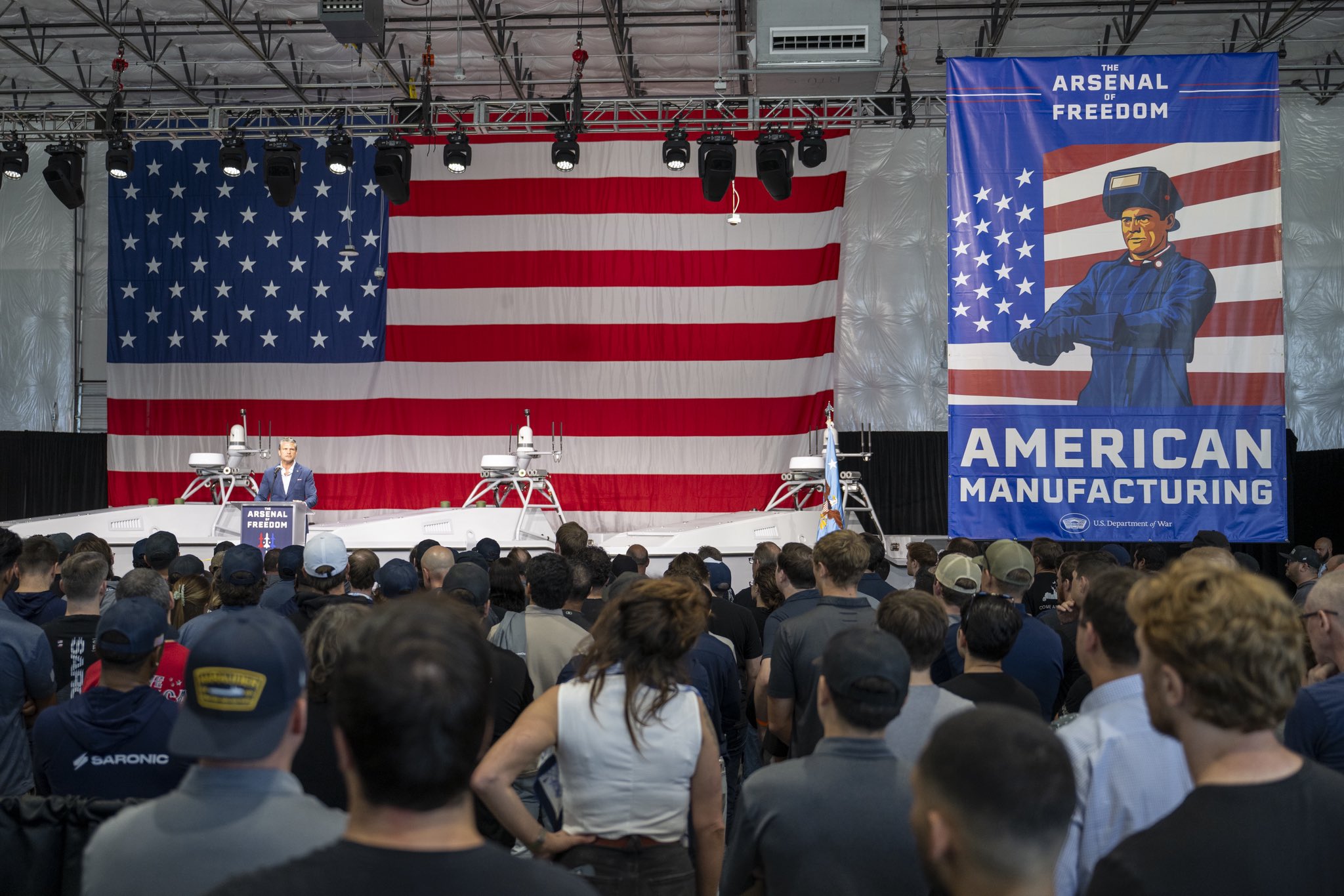
Under the leadership of President Donald J. Trump, this Administration will not abandon our warfighters or the critical supply chains that keep America safe and strong. In September 2026, President Trump announced the reestablishment and renaming of the Department of Defense back to its roots to the Department of War (DoW). By establishing the Smaller War Plants Commission, the SBA and the DoW similarly resolve to return to our core values with a sharpened focus on rebuilding the defense industrial base by empowering small manufacturers, rewarding innovation, and reshoring American jobs and industries that are essential to American military dominance.

Core Tenets

Four commitments define the Commission’s work.

Conduct a comprehensive campaign across the American industrial base as it relates to national defense and resilience and create an inventory of the production capacity focused on small businesses as a part of the Civil Reserve Manufacturing Network (CRMN);

Reduce bureaucratic red tape around challenges related to increased small business production, capacity expansion, and access to capital across the defense and manufacturing industrial base, informed by industry, as appropriate;

Prioritize the ten North American Industry Classification System (NAICS) codes in critical defense sectors for enhanced and amplified access to SBA’s and DOW’s loan programs, capital investment programs, contracting authorities, and grant allocation;

Quarterly report to the President of the United States the production capacity and competitive standing of the country with regard to smaller war plants and related private sector enterprises, federal contracting and lending activities.